The Birth of the Monster Series
The story began long before the characters had names, long before they were shaped into physical forms or admired behind glass shelves. It started quietly, in moments where imagination wandered freely, untethered by rules or expectations. The creator spent years observing the subtle contradictions of emotion—how joy could coexist with sadness, how curiosity often walked hand in hand with fear, and how innocence could be paired with a quiet sense of awareness.
These observations slowly transformed into sketches. At first, they were rough and unpolished, drawn without intention of sharing them with the world. Faces emerged with exaggerated expressions, bodies formed in unusual proportions, and creatures appeared that felt neither entirely friendly nor threatening. They existed somewhere between dream and reality, shaped by feelings rather than logic.
What united these early creations was a shared emotional language. Each monster seemed to carry a piece of the human experience, translated into visual form. Some reflected loneliness, others playfulness, and some embodied the restless energy of curiosity. Rather than representing heroes or villains, these creatures represented moments—fleeting emotions captured in stillness.
As time passed, one figure began to appear more frequently than the others. It was not the most elaborate design, nor the most dramatic. Instead, it possessed a quiet expressiveness that felt honest. Its posture suggested hesitation rather than confidence, its eyes hinted at curiosity rather than certainty. This character gradually became the emotional centre of the growing universe, not because it demanded attention, but because it invited it.
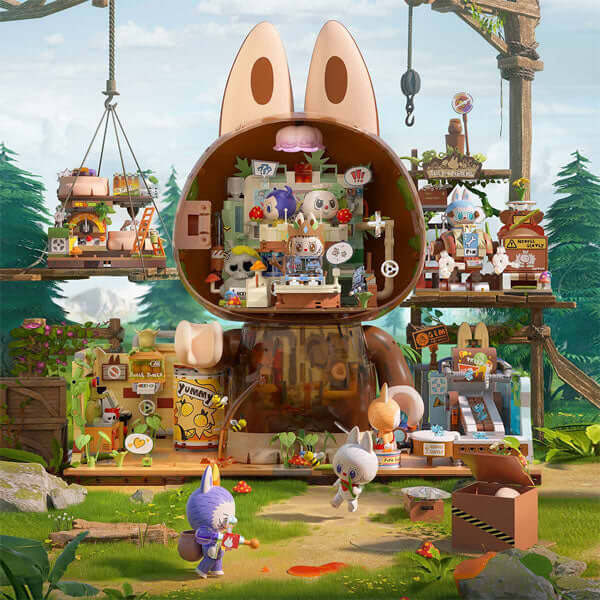
The world surrounding the monsters began to take shape naturally. It was imagined as a place governed by emotion rather than rules. Landscapes shifted depending on mood. Forests grew denser when characters felt overwhelmed and opened into wide clearings during moments of calm. The sky changed colour without warning, responding to inner thoughts rather than the passage of time. Objects held memories, and silence was as meaningful as sound.
In this world, monsters were not defined by their appearance. Sharp teeth did not imply danger, and wide eyes did not guarantee innocence. Each creature had depth, shaped by experiences rather than labels. They lived quietly alongside one another, learning through observation, adapting without losing themselves.
The central character—eventually recognised by many—was imagined as a traveller within this world. Not a hero on a quest, but a quiet observer moving between environments, absorbing lessons without fully understanding them at first. Growth came slowly, through repetition and reflection rather than dramatic change. This approach mirrored real emotional development, where progress is often subtle and nonlinear.
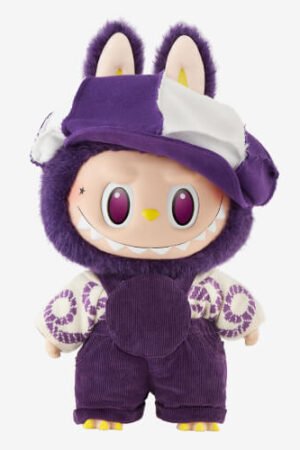
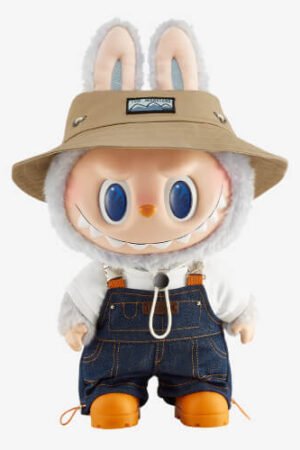
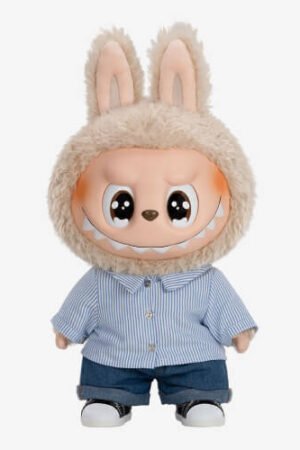
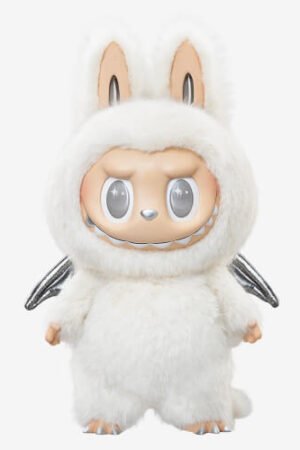
When the idea of transforming these characters into physical objects arose, it was approached with caution. The creator understood that once given form, the monsters would no longer exist only in imagination. They would enter personal spaces, sit on shelves, desks, and bedside tables. They needed to feel gentle, reassuring, and emotionally honest.
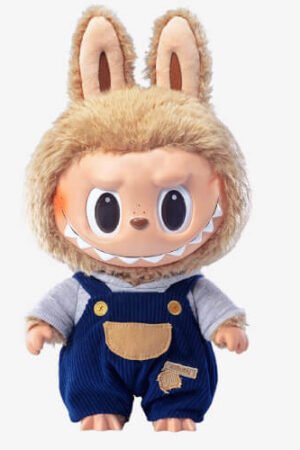
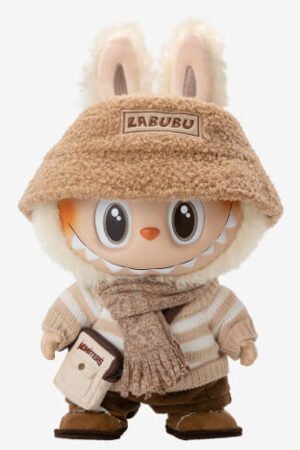
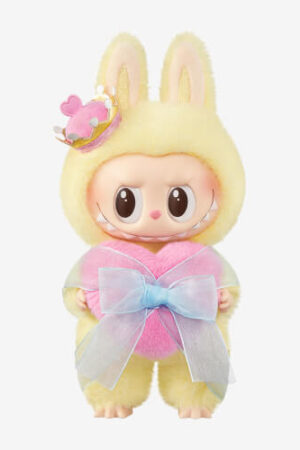
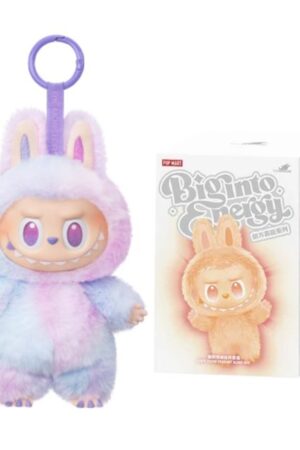
Materials were selected carefully. Texture mattered as much as appearance. Soft surfaces were chosen to invite touch, while smooth vinyl elements preserved the clarity of expression. Weight was balanced to give each figure a sense of presence without heaviness. Every decision was guided by the question: Does this feel right for the character?
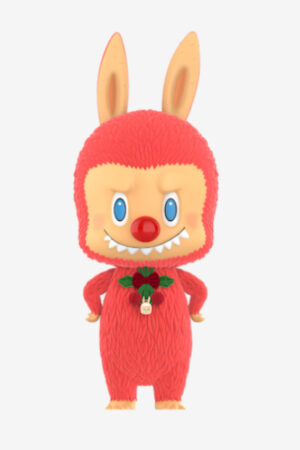
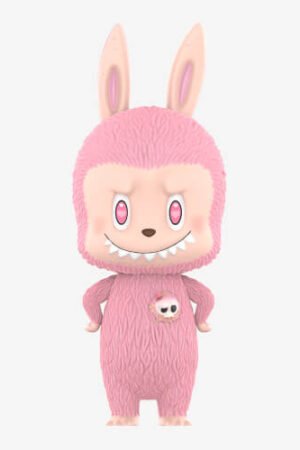
Rather than producing a single definitive version, multiple interpretations were explored. Each variation reflected a different emotional state or moment in time. A slight tilt of the head could suggest curiosity. A relaxed posture could convey calm. Even subtle changes in colour carried meaning, representing mood rather than decoration.
Themes emerged organically. Luck was not portrayed as chance alone, but as quiet optimism. Rest was shown as a form of strength rather than weakness. Exploration became a metaphor for emotional growth rather than physical travel. These themes resonated deeply with those who encountered the figures, even if they could not immediately articulate why.
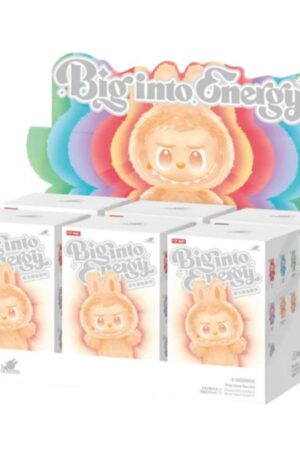
The blind box format fit naturally into this philosophy. Life rarely offers complete certainty, and the element of surprise mirrored the unpredictability of emotional discovery. Opening a box became an act of curiosity rather than expectation. Each figure revealed felt like uncovering a small story fragment rather than simply receiving an object.
Within the fictional universe, these boxes were imagined as sealed moments. Each contained a version of a character at a specific emotional point, frozen in time yet open to interpretation. Collectors became storytellers in their own right, arranging figures in ways that reflected personal narratives and emotional journeys.
As interest in the Monster Series grew, so did the stories surrounding it. Fans shared interpretations, created their own lore, and assigned meaning to details the creator had left intentionally open-ended. This exchange was welcomed. The monsters were never meant to dictate meaning; they were designed to receive it.
Collaborative designs within the series were imagined as encounters with unfamiliar environments. In these moments, the characters adapted without losing their core identity. These fictional encounters symbolised growth through exposure—learning from difference without being consumed by it. The designs reflected this balance, blending new influences with familiar forms.
Despite expansion, the emotional core of the Monster Series remained unchanged. Each new creation began with introspection rather than ambition. The creator continued to ask what emotion deserved exploration next, rather than what would sell fastest. This restraint preserved the integrity of the universe and strengthened its connection with audiences.
Within the imagined world, time flowed differently. Characters revisited emotions rather than leaving them behind. Lessons were relearned, perspectives shifted slowly, and change occurred in layers. This cyclical nature made the monsters feel relatable, mirroring the way people revisit feelings throughout their lives.
The central figure continued to wander, not in search of resolution, but in acceptance of uncertainty. There was no final form, no ultimate version that marked completion. Instead, each interpretation added depth, reminding viewers that growth does not require a destination.
Many who encountered the Monster Series described a sense of calm when interacting with the figures. This was no accident. The designs were intentionally quiet, offering presence without demand. They existed comfortably in the background, yet carried enough emotional weight to be noticed when needed.
Over time, the series became more than a collection. It evolved into a shared emotional space. People connected not just to the characters, but to one another through them. Conversations that began with design often shifted toward personal stories, memories, and feelings. The monsters served as gentle facilitators of connection.
In the fictional world, the journey continues without conclusion. The characters remain open-ended, inviting new interpretations with each passing moment. They do not promise answers, only companionship through uncertainty.
The creation of the Monster Series stands as a reminder that meaningful stories do not need to be loud or complex. Sometimes, the quietest expressions leave the deepest impressions. Through thoughtful design, emotional honesty, and respect for imperfection, these monsters continue to exist not just as objects, but as reflections of the inner worlds people carry with them.
And so the story remains unfinished—not because it lacks direction, but because it was never meant to end.