
Description
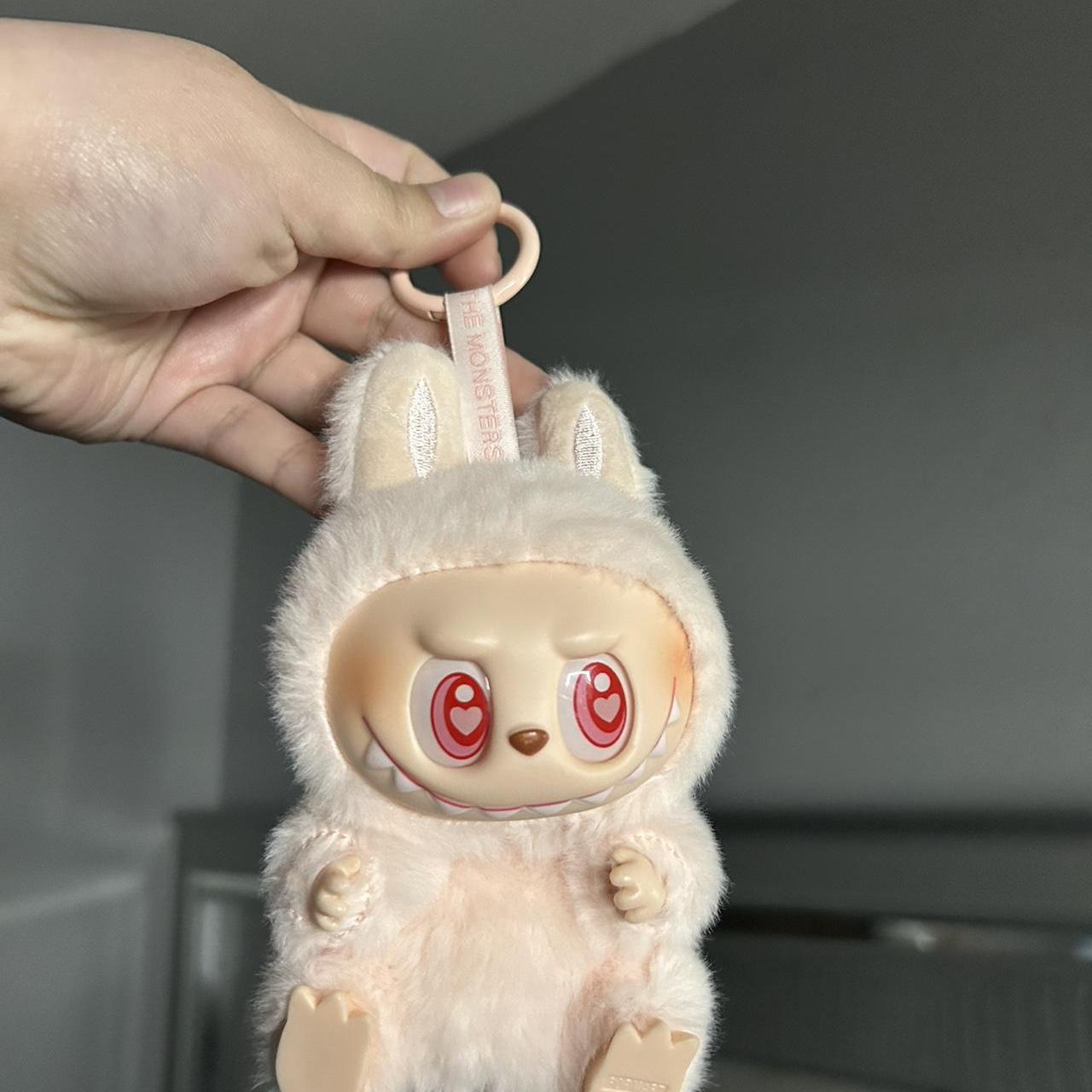
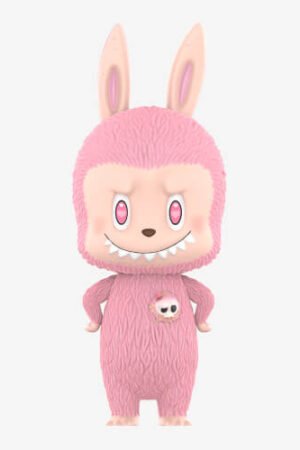
Pink labubu doll
The idea for the pink labubu doll Playsets didn’t start in a factory or a design studio. It started in a sketchbook with rough drawings, smudged colors, and notes scribbled in the margins during late nights. The creator was thinking about a common challenge designers face: how to make a character feel alive with movement and emotion without losing its true personality. The pink labubu doll world of collectible figures had become stuck between two extremes—either very detailed but stiff, or soft and expressive but not moving at all. There was a gap between play and stories, between imagination and structure. The pink labubu doll Playsets were created to fill that gap.
Labubu Pink Pendant
Pink wasn’t picked on a whim.
In the early designs, the figures were in neutral colors, meant to fit anywhere. But that made them feel boring. labubu pink Pendant brought something different. It combined softness with a bit of rebellion. It could show warmth, weakness, and bravery all at once, without saying a word. The exact shade was tested many times, adjusted under different lights so it would still look expressive whether on a shelf or in a playset scene. The chosen pink wasn’t flashy, but it had confidence—soft enough to catch the eye, but not too loud.
The pink labubu doll took the idea even further. Instead of just extra parts, each set was like a piece of a bigger world. Small scenes hinted at places that weren’t shown in the plastic structures. A staircase that ended in nowhere. A window frame without walls. A platform with marks that suggested something happened before. These things like the labubu pink Pendant made people want to make up their own stories, not just finish a set.
Pink labubu playset
While making the playsets, the team watched how people used similar toys.
They saw that people didn’t just keep the figures as they were in the pictures. They changed things, moved parts around, and made up their own stories. The Pink Labubu Playset were made with this in mind. The pieces worked together across different sets, letting characters move between places. This made the collection more than just a bunch of toys—it became a world that grew as people added more to it.
The pink labubu doll had small details that weren’t obvious at first.
Faces had slight differences in how they looked. Surfaces changed depending on how light hit them. There were tiny marks that looked like they were from use, movement, or history. These Pink labubu playset weren’t mistakes—they were clues that the characters had already lived parts of their lives before they arrived in someone’s hands.
Rare Labubu Collection
The story behind the Pink labubu playset wasn’t spelled out clearly.
There was no official story on the box. Instead, hints were built into the design. Symbols repeated across different figures showed that they were connected. Colors showed feelings instead of roles. A darker pink labubu doll on one figure’s boots suggested a journey, while a lighter color on another’s parts showed change or new beginnings. Collectors started making up their own stories, sharing ideas and scenes that made the world much bigger than the designers had planned.
Production of these rare labubu collection was done with care and simplicity. Materials were selected not just for how long they would last, but also for how they would change over time. The surface was tested to make sure it would develop a soft, natural look with age, rather than wear away quickly. The pink labubu doll designers thought that a collectible should grow with its owner. Small scratches were kept to a minimum, but weren’t completely avoided. The figures were meant to be handled, moved, and arranged—not locked away forever.
The packaging shared the same idea.
It wasn’t made with fancy plastic meant to be thrown away. Instead, the rare labubu collection boxes were built to be part of the experience. Panels could be folded into backdrops, and inner trays turned into platforms or stands. Everything had a purpose beyond just keeping things safe.
When the pink labubu doll Playsets reached early collectors, something surprising happened.
They weren’t just seen as toys or decorations. They pink labubu doll became tools for creating stories, taking photos, and expressing feelings. People used them to act out scenes that matched their own lives—moments of being alone, connecting with others, facing challenges, or finding peace. The pink labubu figurine appeared in quiet corners of desks, on bookshelves next to books, and in displays that mixed fiction with personal meaning.
The success of the pink labubu doll wasn’t only about how many were sold, but about the stories that came from them.
Online groups formed where people shared scenes and ideas without anyone in charge of setting the rules. This way of telling stories helped the product ( rare labubu collection ) stay lively over time. It didn’t depend on new trends or seasonal releases. Instead, it grew naturally as more figures and settings were added.
Each new piece added to the pink labubu doll Playsets felt like a new discovery rather than just more stuff.
New items would answer some questions but also bring up new ones. An old figure might fit with a new accessory in a surprising way. A new setting could change how a character was seen. This thoughtful design kept early fans interested while making it easy for new collectors to join without feeling confused or left behind.
The heart of the Pink labubu playset is all about contrast. It’s pink labubu doll about soft colors next to strong shapes, quiet moments next to action, and simple designs next to deep ideas. These differences show how people connect with stories in their own lives—finding meaning from small things, using imagination to fill in the gaps, and discovering shared feelings through familiar symbols.
In the end, the pink labubu doll Playsets aren’t about one big story or a single goal.
They’re more like a quiet invitation.
An invitation to pause and look, to arrange things, to dream, and to see things in a new way. They remind us that playing isn’t just for children, and that a story doesn’t have to be complete to have meaning. Every Pink labubu playset, every piece, and every way they’re put together becomes a moment frozen in pink—open, expressive, and always ready to change.
As the collection grows, the main idea stays the same.
The labubu pink Pendant aren’t meant to take over a space, but to fit into it naturally.
They’re there to help with creativity, not to tell you how to use it. Whether you display them, take pictures of them, or just move them around while you think, the pink labubu doll Playsets stay exactly what they were always meant to be: pieces of a world that only comes to life when someone decides to make it real.
The model that would eventually become the Pink labubu playset started as a quiet change happening inside a studio that had gotten used to doing the same thing over and over. The design team had been making safe versions for years—just slight color changes, new parts, and familiar shapes. Everything worked, everything sold, and everything felt boring. The first idea of rare labubu collection, came not from a plan or a market report, but from a forgotten prototype on a shelf. It was broken, not symmetrical, and painted in a light pink that was only meant to be a temporary color. No one planned to save it. But something about it stayed in their minds.
One night, after most of the lights in the studio were off, a young designer picked up that unfinished figure and started moving its arms and legs.
The joints were stiff, the balance wasn’t right, but in those strange positions, there was a feeling of purpose. It looked like the figure was trying to do something instead of just standing there. That moment changed everything. Instead of thinking about how a figure should look, the team started thinking about what it should do.
Early drawings focused on movement.
Not big, dramatic poses, but small, momentary actions—the pause before jumping, the instant after landing, the turn of a head as if reacting to something invisible. These drawings were messy and layered, often drawn on top of each other because it felt like the figure was moving across the page. Pink was always there at first, just because it was easy to see through layers. But later, it started to mean something. Pink made the movements softer, turning rough actions into thoughtful ones and fast movements into graceful ones.
The idea of a playset came up almost by chance.
During a test of a new model, a designer placed some leftover pieces around the figure to make it stable. A piece of wood became a step. A piece of cardboard became a wall. Someone turned a part and it suddenly looked like a platform. The figure, which had been alone, now had a place to be in. That pink labubu doll place didn’t have to be real. It just needed to show what could be.
After that moment, the model stopped being just a shape. It became a real character that needed a world, even if that world wasn’t fully complete. The pink labubu doll team made a clear decision right away: the environment should never be too strong or overpowering. It was meant to act like a frame—something that helped people imagine rather than take over the story. The walls wouldn’t meet, the floors would end suddenly. Everything would feel like a piece of something bigger, as if the rest of the scene was just out of reach.
Pink, now the main color of the model, became more than just a simple choice.
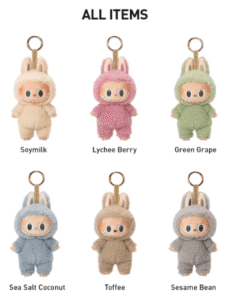
Different shades were tested, each one giving a different feeling. Some looked fun but not deep. Others felt strong but harsh. In the end, the team chose colors that worked together in contrast, not all the same. Soft, flat surfaces were matched with slight shiny parts. Lighter colors like the pink labubu macaron were balanced with darker ones, making the whole look richer and more lively, depending on how the model was placed.
The system that let the model move took a long time to get right.
Early versions were flexible but didn’t look right when held in a pose. Later versions kept the shape but felt stiff, almost like they were protecting themselves. The real pink labubu doll change happened when the team stopped thinking about joints and started thinking about movement. Instead of asking how much an arm could bend, they asked what kind of motion felt natural for the character. Then, they designed the joints to work within those natural movements.
As the physical design changed, the hidden story behind the model also changed. There was never a written story of rare labubu collection or playsets, but everyone had a shared idea. The pink figure showed action without being violent, confidence without being dominant. It was meant to feel strong but not aggressive. This idea affected everything, from how the figure stood to the way accessories were made. Tools were shown in a way that suggested use without being too direct. Shapes gave hints about what they could do without making the figure fit only one role.
The rare labubu collection playsets worked the same way.
They weren’t just places like you’d normally expect. They were moments. A raised platform was meant to show height, not a building. A pink labubu doll curved shape showed protection, not a room. Each part could go anywhere or nowhere, depending on how it was set up. This wasn’t by accident. The creators wanted each person who owned the set to help create the story.
Testing showed something surprising.
When people played with the first versions, they spent more time setting up scenes than just placing the figures. They arranged things carefully, like they were making meaning, not just showing off. Many used uneven layouts, avoiding symmetry even when it was easier. The pink labubu doll designers saw this as a sign that the model was doing what it was meant to. It encouraged people to think and create, rather than just follow directions.
In the final stage, the team worked on textures and how things aged.
They didn’t want surfaces that looked too clean or perfect. Instead, they added pink labubu doll small differences that made the figure look different depending on the time of day, the light, and the colors around it. This made the model feel real and alive. It never looked exactly the same twice.
The packaging was designed last, on purpose.
The team wanted it to fit with the product, not control it. The boxes opened into flat parts that could be part of the playset. Supports inside could be folded into platforms or frames. Nothing was there just for looks. Even the printed parts were simple, so the pink inside and the labubu pink Pendant could stand out.
When the model was finally approved, there was no big announcement.
No big reveal. The team quietly put the first units out and waited. What happened next was slow and steady. People started sharing pictures of the scenes they made, often without a word. The same figure showed up in many different ways—sometimes alone, sometimes with structures, sometimes in ways the designers had never thought of.
Over time, the pink labubu doll Playsets came to mean more than just the toys themselves. They started to show that action doesn’t always have to be forceful, and that playing can also be about thinking and feeling. The idea for the model wasn’t about filling a need in the market, but about making room for imagination to grow and change.
Even today, the creators of the pink labubu doll don’t want to pin down the figure too much.
They think that once a character is completely explained, it stops being able to change or grow. The pink figure stays intentionally open, not because of how it’s built, but because of what it stands for. Every time someone moves a piece, changes the pose, or takes a moment to think about the scene, the story of the figure keeps going. That’s how the model was made—not as something fixed, but as something that keeps living and evolving.
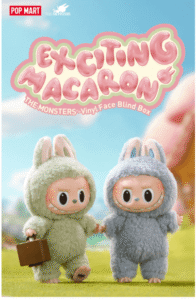
Pink labubu macaron
That’s how the model was made—not as something fixed, but as something that keeps living and evolving.
Reviews
There are no reviews yet.