
Description
Coca cola series Labubu
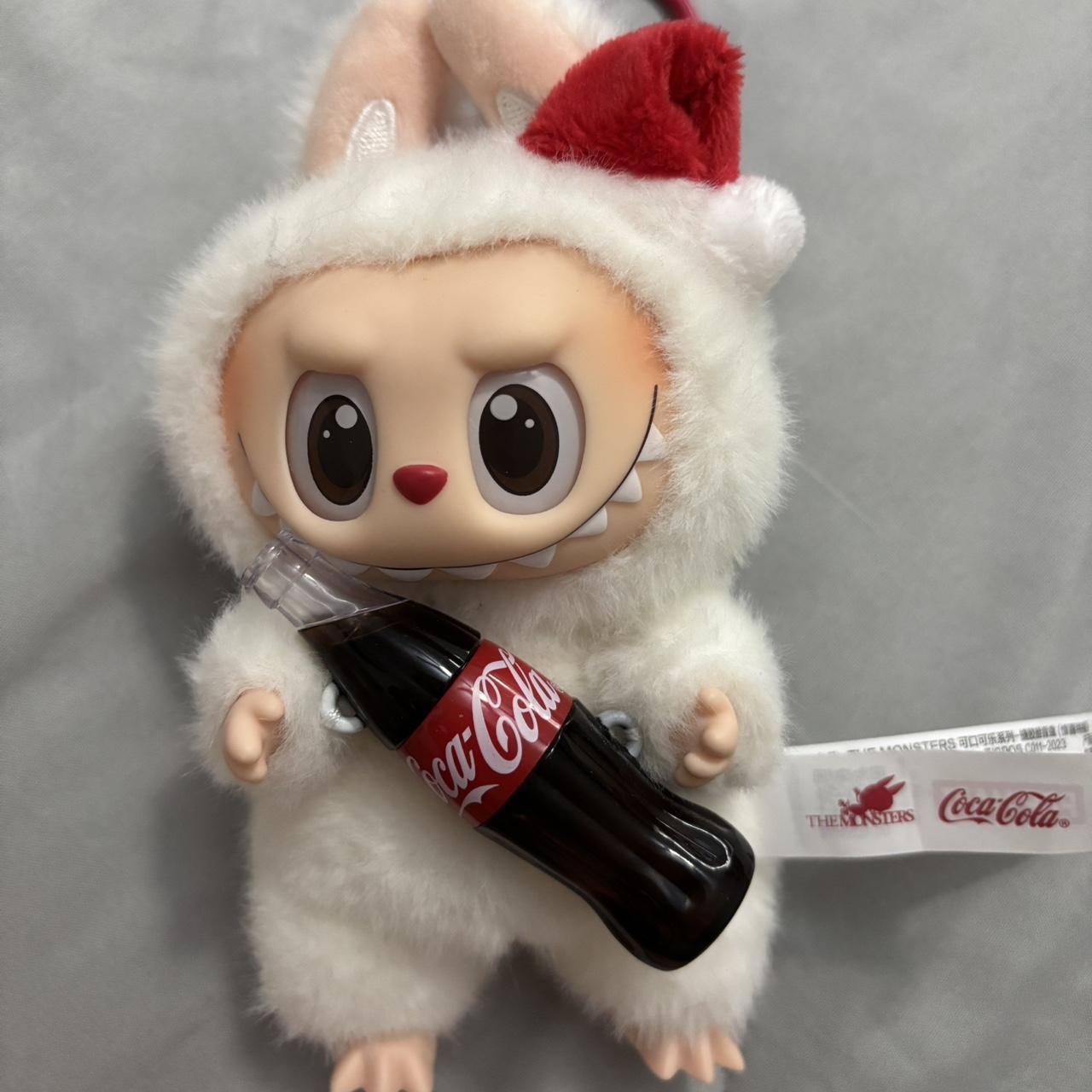
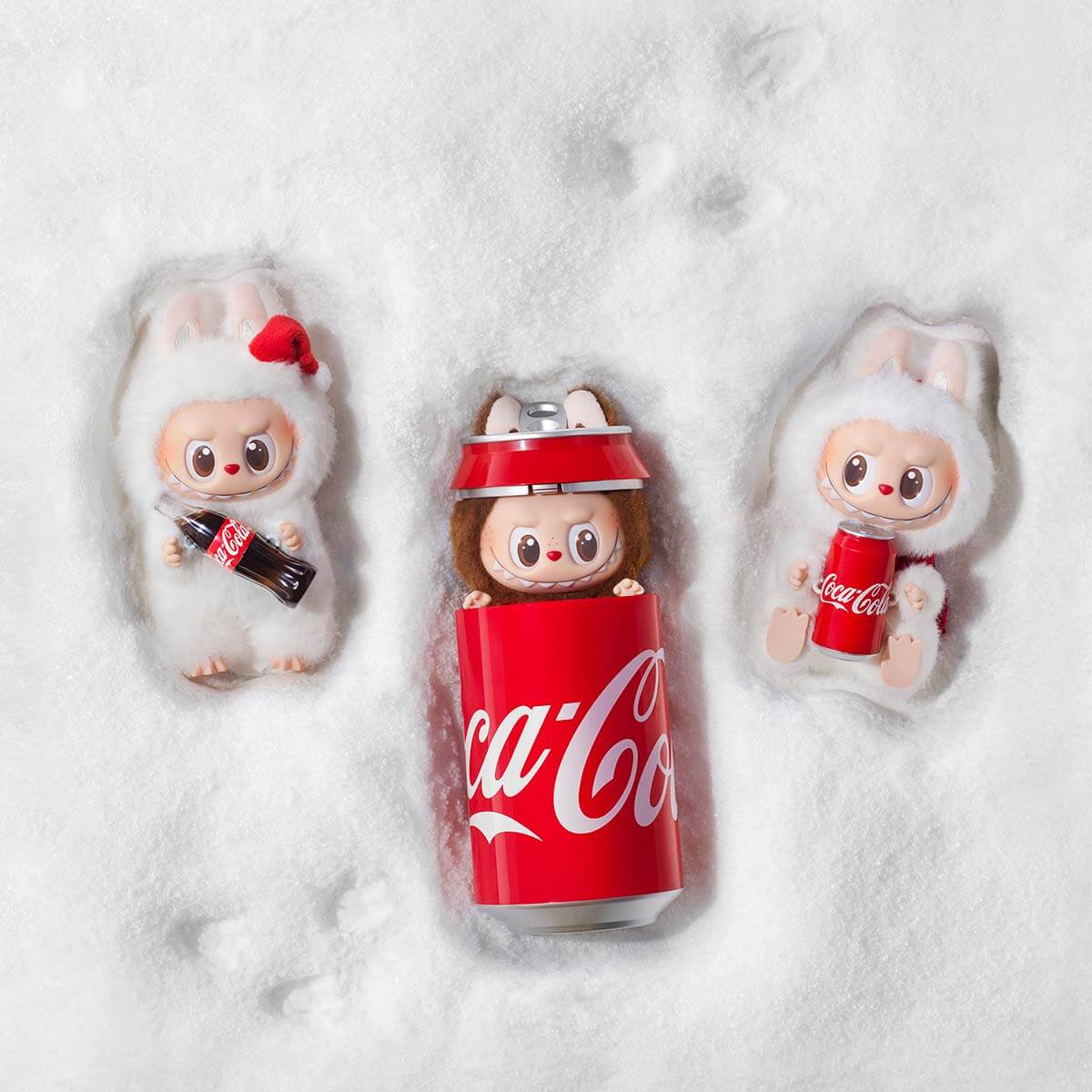
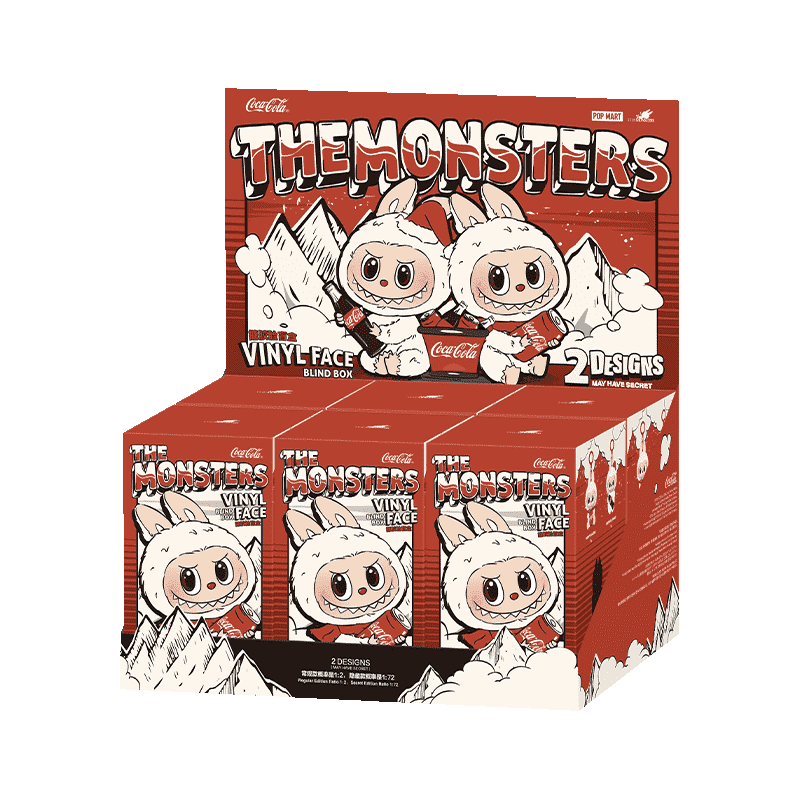
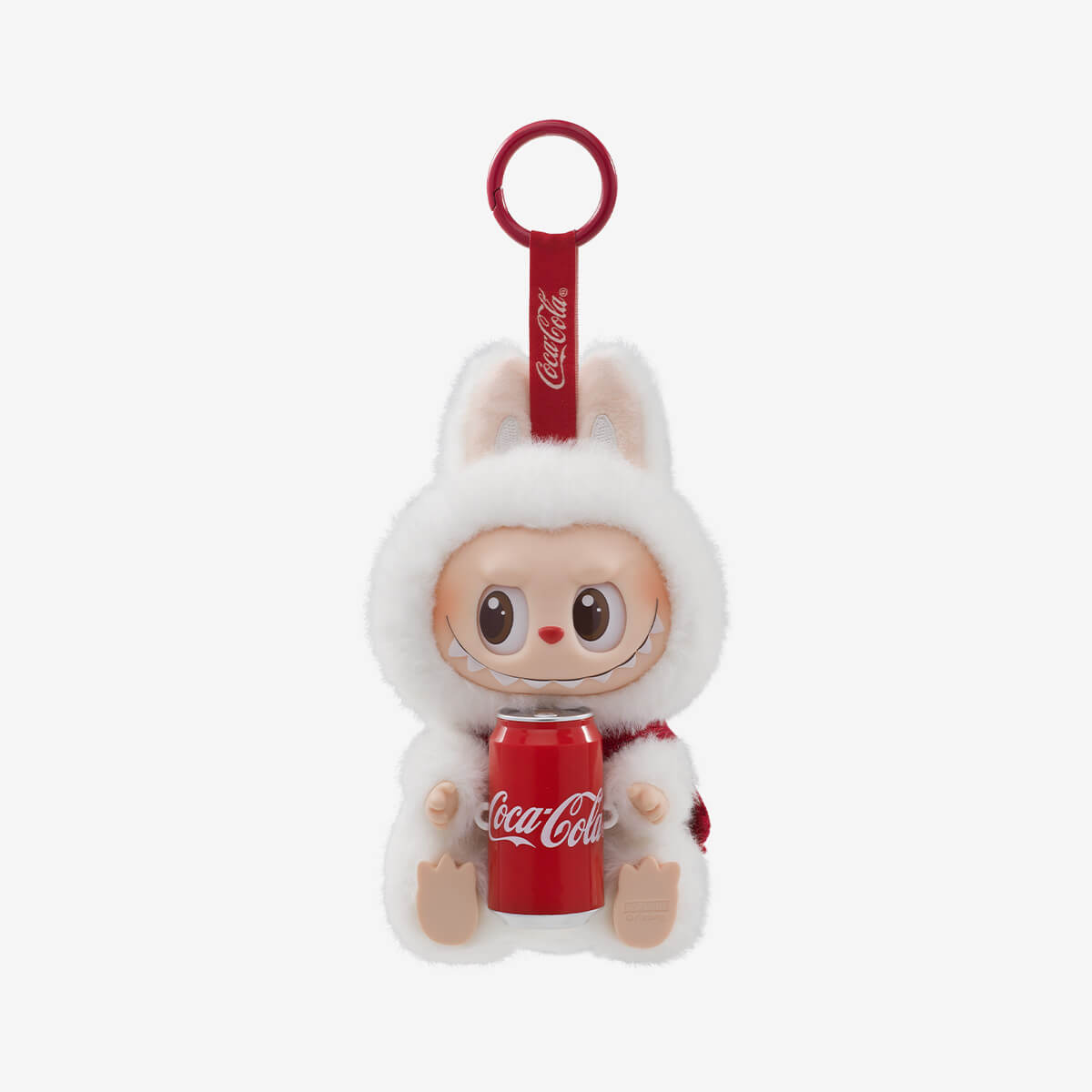
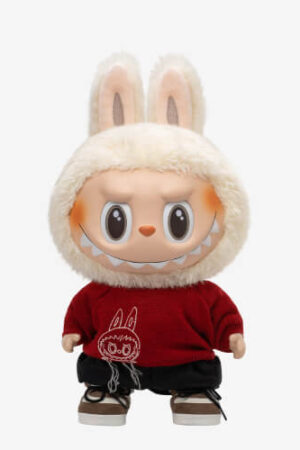
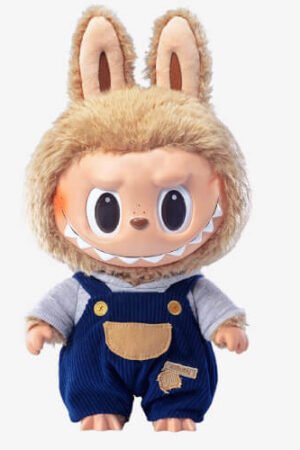
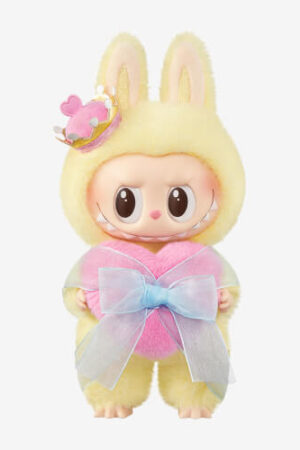
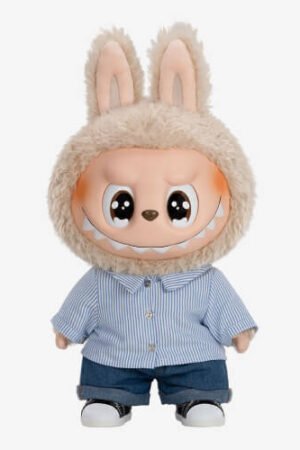
The POP MART THE MONSTERS LABUBU COCA COLA SERIES HAPPY FACTORY VINYL FACE PLUSH is a top example of modern collectible art. This special collaboration between Pop Mart and Coca-Cola combines the symbols of both brands into a beautifully made 3D artwork. The “blind box” design adds excitement to the collecting process, making every Coca cola series Labubu purchase feel like a surprise. The careful use of vinyl and soft plush, along with the detailed work, shows the high quality of Pop Mart’s production. This item is more than just a toy—it’s a real artistic piece that honors the coming together of two big names in pop culture.
The creation of the POP MART THE MONSTERS LABUBU COCA-COLA SERIES SURPRISE SHAKE VINYL FACE PLUSH (Copia) didn’t start as a usual collaboration. There were no Coca cola series Labubu signed deals, no fancy meetings, and no quick agreement between the two sides. Instead, it began with a quiet idea between designers who were really interested in contrasts. They wondered, what happens when a character made up from imagination meets a symbol that almost everyone on Earth knows?
At the center of the idea was Coca cola series Labubu movement.
Not just the kind you see with your eyes, but the kind you feel in culture. The designers of the Monsters world always thought characters should move—not just from one shelf to another, but through feelings, memories, and shared moments. Coca cola series Labubu is like that too. It’s not just a drink; it’s a moment, a pause, a red shape that’s familiar to people everywhere. The goal wasn’t to mix two brands, but to let one world softly enter the space of the other without losing itself.
labubu plush pendant
In the beginning, the designers kept the sketches simple.
They worried that having a symbol so well-known could make the character too busy. So they went back to basics. The Monsters labubu plush pendant world has always been about quiet, emotional stories instead of loud symbols. The plush needed to be fun but not too salesy, sentimental but not old-fashioned, and expressive but not over the top.
The idea for “Surprise Shake” came from a simple art challenge.
One artist was asked to think about labubu plush pendant refreshment not as a product, but as an emotion. What does refreshment look like if it has a face? What does Coca cola series Labubu surprise feel like when it’s soft, real, and quiet? The answer was an expression—big eyes, curious, like something surprising just happened. That expression became the base of the vinyl face.
Using vinyl was important.
It allowed for more labubu plush pendant precise emotion than fabric alone. Every part of the face was carefully shaped to show a specific feeling—not shock, not excitement, but a calm moment of discovery. The Coca cola series Labubu eyes were made to catch light in different ways, so the expression seemed to change as you moved the labubu plush pendant. This made the character feel alive without any moving parts.
The soft body that held the Coca cola series Labubu vinyl face was made to contrast. It was gentle, giving, and not perfectly smooth, showing comfort and something familiar. The fabric had to be tested a lot. Some materials felt too smooth and fake. Others were too rough and took away from the Coca cola series Labubu face. The final choice was just right, making it feel warm and friendly while still holding up over time.
Labubu Coca Cola series blind box
Color was very important in connecting the design to the overall look.
Instead of using Coca-Cola’s bright red, the designers used softer shades that suggested the brand without being too strong. The red parts were quiet and mixed into the soft body like they had always been there. This made the labubu plush pendant character feel like it naturally belonged in the Monsters world, not like it was added on.
The name “Copia” meant more than just making a copy.
In the Monsters style, Coca cola series Labubu Copia meant looking back and remembering rather than just copying. It was about taking the feeling of an experience and letting it live in a new way. The Surprise labubu coca cola series blind box plush wasn’t meant to copy a product; it was meant to bring back the feeling of a special moment. Like a pause during a busy day, or a shared laugh, or a little bit of happiness before getting back to life.
The idea of Coca cola series Labubu blind boxes helped shape the way the series was made.
The designers wanted the surprise to feel special, not just random. Each toy in the series had small differences—like tiny changes in expression, slight shifts in color, or fabric that felt just a little different. These Coca cola series Labubu changes weren’t easy to notice right away, making people want to spend time with each toy instead of just sorting them quickly.
The labubu coca cola series blind box packaging was designed to feel like part of the story, not just a box.
Opening it was like finding a moment frozen in time. Coca cola series Labubu layers came out slowly, showing the plush as if it was stepping out of its own story. The inside had simple graphics, so the character could stand out and be the focus.
Throughout the development process, the team kept coming back to one main question: would this character still feel important if all the logos were taken away? This question became the main way to check Coca cola series Labubu work. Every design choice had to pass this test. In the end, the answer was yes. The Surprise Coca cola series Labubu Shake plush was a character on its own, and any collaboration came after that.
When the early versions were shown inside the company, people reacted in a way that was hard to explain.
They smiled without knowing why. Some said the Coca cola series Labubu plush felt familiar, even though it was new. Others mentioned it reminded them of moments they couldn’t quite name. This mix of emotions was exactly what the designers wanted. The plush didn’t tell a story; it invited people to create their own.
The Coca cola series Labubu vinyl face went through the most changes.
A tiny change in the curve of the mouth could change how the whole face looked and felt emotionally. The designers spent weeks adjusting that single expression, testing labubu plush pendant under different lights and environments. The final labubu coca cola series blind box version was approved only when it clearly showed surprise without being too much, and warmth without being too emotional.
The body of the plush was made to look good over time.
The fabric was tested to stay soft even after being handled a lot, so it wouldn’t lose its shape. The inside filling was carefully balanced to give the plush structure while still being flexible, so it could sit naturally in any position without looking forced.
As the Coca cola series Labubu got ready for production, the team stayed away from trying to explain everything through marketing.
They believed the best connection would come from people interpreting the plush on their own. The Surprise Shake plush was released quietly, letting it find its audience naturally.
Collectors started putting the plush in unusual places. They placed it on desks near laptops. They put it on shelves next to books. They took pictures of it in everyday situations, not fancy setups. The Coca cola series Labubu character fit in with real life easily, becoming a friend rather than the main focus.
As time went on, the series became meaningful not just because it was rare, but because it was always there.
Owners said the plush was comforting, funny, and expressive without saying much. Some Coca cola series Labubu noticed that its look changed depending on how they felt. That effect came from the way the shiny vinyl and soft fabric worked together.
Coca cola series Labubu the Monsters universe welcomed the Surprise Shake plush naturally.
It didn’t feel like something out of place, but like a new part of the story. It showed that the world of Monsters could connect with everyday human feelings without losing its deep, thoughtful side. The Coca cola series Labubu touch became part of the background, something familiar but not the main attraction.
Choosing to keep the plush silent—no sounds, no moving parts—was on purpose.
Silence let people imagine what they wanted. The Coca cola series Labubu character didn’t tell them how to feel; it showed them how they already felt. That simplicity was one of the plush’s biggest strengths.
The Surprise Shake plush also changed how Coca cola series Labubu the Monsters line thought about working with others.
It showed that partnerships could be about feelings, not just sales. It could be about experiences, not just buying things. This idea would shape future projects, pushing for deeper connections rather than just surface branding.
As the years went by, the Copia version of the Surprise Shake plush became a key part of the collector community.
Not because it was scarce, but because it showed a moment when design, emotion, and memory came together smoothly. It proved that a character could carry deep meaning without feeling too heavy or complex.
The labubu plush pendant stays open to interpretation.
There’s no official story about where it came from in the Monsters world. No clear answer about what surprised it or what it was shaking. That lack of certainty is what makes it special. Each owner adds their own story simply by deciding where the plush fits in.
COCA-COLA SERIES-Vinyl Face Blind Box
In the end, the POP MART THE MONSTERS LABUBU COCA-COLA SERIES SURPRISE SHAKE VINYL FACE PLUSH (Copia) is more than just a toy to collect.
It’s a quiet meeting of different worlds, a soft way to feel surprise in fabric and vinyl, and a reminder that even familiar things can feel fresh when seen through imagination.
It doesn’t try to grab notice. It gains it gradually, by being there, by its feel, and by how it shows itself. In this way, it keeps the tradition of storytelling without words, letting meaning come from how we connect, not from being told.
——————————-
The Surprise labubu plush pendant wasn’t made as a product at first. It started as a reaction to a silence that had become too loud.
Before it was created, many kids had learned to stay quiet in ways that shouldn’t be normal.
They learned to stay small, to listen for danger instead of for fun, and to keep their questions inside because the world around them didn’t have room for answers. In hospitals, shelters, temporary homes, and crowded places full of worry, childhood had become something fragile. Play was still there, but it was broken, stopped often, and sometimes taken away before it could even begin.
It was during a visit to a recovery center that one of the designers first noticed it.
There was a room with donated toys, but they were mostly left untouched. The labubu plush pendant toys had bright colors and loud designs, with characters smiling too much. Yet the kids didn’t reach for them much. When they did, they played for a little and then put them back, like the toys needed too much effort, too much explanation, too much acting.
One child sat alone, holding nothing.
When asked what kind of toy they liked, the child shrugged and said, “Something that doesn’t make noise.”
That sentence stayed with them.
Back at the studio, the team started talking about responsibility—not the kind from companies or charity campaigns, but the kind that comes from being a creative.
What does it mean to make something for kids who have learned to protect themselves? What does it mean to design for kids who aren’t looking for fun, but for safety?
The first ideas were simple.
No action, no dramatic poses, no big expressions. The designers focused on stillness. They wondered if a toy could feel like a pause instead of something that pushes. Whether it could be present without asking for anything in return.
The vinyl face was the first big step.
Unlike fabric alone, vinyl could hold a look that doesn’t change, that doesn’t jump out at you, that doesn’t shout. The face they made showed a moment of calm surprise—not fear, not happiness, but recognition. The kind of look someone has when they finally feel safe enough to be curious again.
The soft body came next, and it was made to be held without any instructions. There were no right ways to hold it, no buttons to push, no sounds to make. Just softness, weight, and warmth. The inside was built carefully so the figure could rest naturally against a child’s chest, shoulder, or arm, fitting them rather than the other way around.
When early versions were quietly given to care settings—not advertised, not promoted—the responses were quiet but deep.
Kids didn’t run toward the figure. They came up slowly. Some just sat next to it without touching it at first. Others held it for a moment, then went back later, like checking if it was still there.
One boy who hadn’t spoken in months started taking the figure from room to room.
He didn’t play with it. He just kept it close. When asked what it was called, he shook his head. When asked if it was a monster, he whispered, “No. It watches.”
That moment changed everything.
The designers realized the figure wasn’t acting like a toy in the usual way.
It was acting like an anchor. Something steady in places full of change. Something that didn’t ask for fun, but quietly shared space.
The Coca-Cola part of the series was seen differently.
Instead of being about energy or fun, it stood for something familiar. In many of the places where the figure was given out, kids had gone through a lot of changes—new rooms, new people, new rules. Even small familiarity had a big effect. The soft red parts became symbols of continuity, not just brand names. A gentle reminder that some things could stay the same even when everything else changed.
As more figures were given out, certain things started happening.
Kids who had nightmares slept with the plush facing out, like it was watching over them. Kids who avoided eye contact often looked at the vinyl face, running their fingers over its expression. Kids who didn’t like COCA-COLA SERIES-Vinyl Face Blind Box group play let the figure sit between them and others, a quiet way to ease into being close.
One caretaker remembered how a girl who didn’t want physical comfort accepted the plush instead.
“She doesn’t want hugs,” the caretaker said. “But she holds this like it’s enough.”
That word—enough—became the heart of what the COCA-COLA SERIES-Vinyl Face Blind Box was meant to do.
It wasn’t meant to fix anything. It wasn’t meant to replace care, therapy, or connection.
As news slowly spread through organizations and caregivers, the need for these figures increased—not because collectors wanted them, but because people working directly with children in difficult situations needed them. The designers were careful not to grow too fast. They wanted to make sure the experience stayed meaningful and true to its purpose. Every material was checked again for safety, how long it would last, and how it would feel to touch. Even the weight of the figure was changed after watching how children reacted when they held it close.
Labubu with coke bottle
One big moment happened during a disaster relief effort.
Boxes of the labubu with coke bottle figures were sent with food, blankets, and medicine. Volunteers weren’t sure how the kids would respond. Toys sometimes felt too playful in such serious times.
But the children accepted them right away—not with joy, but with comfort.
Some put the labubu with coke bottle figures next to sleeping brothers and sisters. Others lined them up along walls or beds, making quiet, safe areas in places that felt strange. One child put the soft figure at the entrance of a tent and told a volunteer, “It will let us know if something bad happens.”
The figure didn’t say anything.
It didn’t move. But it helped the child feel fear in a way that was easier to handle. It felt like a quiet protector, something steady and reliable.
As more feedback came in, the designers made more changes.
The labubu with coke bottle face was made softer. The colors were adjusted to be less bright, to avoid making things too overwhelming. The fabric was improved so it stayed cool, helping reduce stress. Every change was based on what they saw, not on what was popular.
The children didn’t see the figure as a brand or a toy.
They saw it as something that stayed with them.
In one care center, the staff noticed a change.
The kids started to build routines around the labubu with coke bottle figure. They put it in certain places. They checked on it. They even included it in their drawings. These actions showed something important: the return of storytelling. The ability to think about the future, to believe in what might come next.
One therapist called the labubu coca cola series blind box figure “a bridge back into story.”
Kids who had stopped telling their own stories began speaking through the figure instead. “It’s tired today.” “It didn’t like the noise.” “It’s waiting.”
Children found language again through the figure.
The COCA-COLA SERIES-Vinyl Face Blind Box designers never said the creation saved kids in a big, dramatic way.
It didn’t erase their pain. It didn’t stop them from losing things. But it did something else, quieter and maybe even more important. It gave them space. Space to rest. Space to imagine. Space to heal.
In places where kids had learned to stay on edge, the figure let them rest from being always watchful.
When trust felt risky, it offered a kind of connection without any danger. In situations full of rush and stress, it brought calm among everybody, because of how labubu with coke bottle looked like.
As the series grew, the main ideas stayed the same.
No loud sounds. No sudden moves. No asking for anything. Just being there.
Years later, some of the kids, now older, reached out through people who looked after them and groups.
They remembered the COCA-COLA SERIES-Vinyl Face Blind Box not as a toy, but as someone they could be with when having someone around felt impossible. One note said simply, “I slept because it was there.”
The labubu with coke bottle designers kept that note in their studio.
The Coca cola series Labubu figure didn’t save the kids by taking them out of their situations.
It saved them by keeping something inside them safe—the ability to feel safe enough to imagine again. And in a world where imagination is often the first thing to go when things get hard, that was more important than anyone had realized.
The Coca cola series Labubu figure is still quiet.
It still doesn’t explain itself. It still doesn’t look for attention. And maybe that’s why it still matters. Because Coca cola series Labubu sometimes, the best thing you can give a child is not something exciting or loud or full of answers. It’s something that stays, quietly, until they’re ready to speak again about labubu coca cola series blind box.
Reviews
There are no reviews yet.