
Description
Product Overview
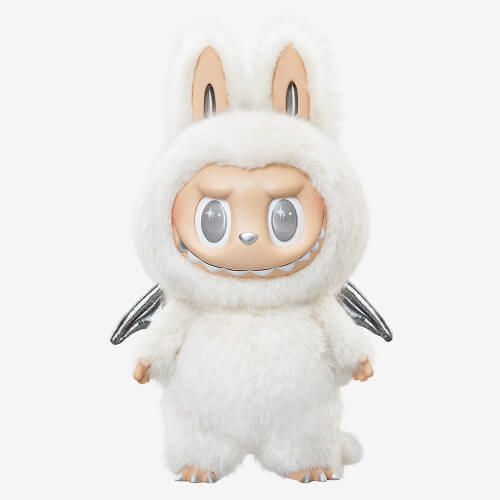
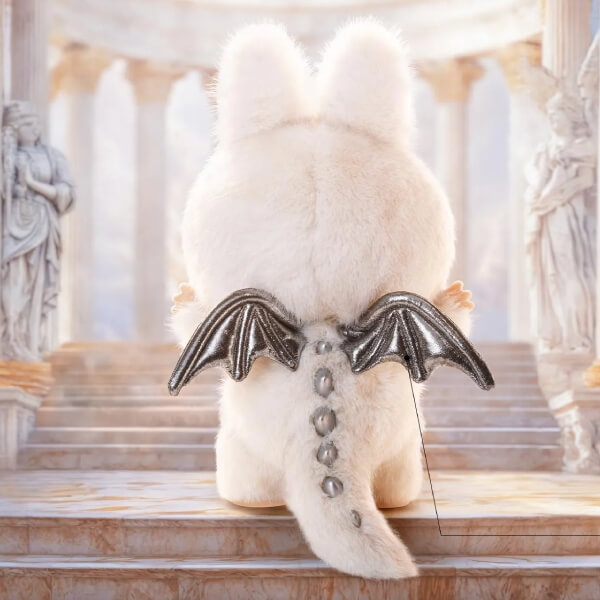
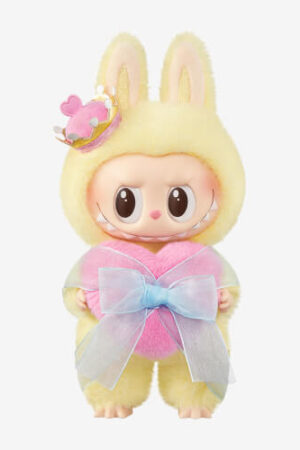
The Zimomo Angel in Clouds doll Vinyl Face symbolizes peace, gentleness, and creative narratives. The character design features a calm facial expression paired with a soft, plush-like body, achieving a balance between a sculptural appearance and a comfortable feel. This special mix of two materials is why the Zimomo line stands out a lot to people who collect designer vinyls and love POP-style art toys.
Zimomo Angel in Clouds doll
Unlike standard plastic figures, this collectible emphasizes texture contrast — the smooth vinyl face paired with a soft textile body — offering both visual appeal and tactile warmth. The cloud-themed idea uses soft pastel colors and smooth curves, making it easy for the figure to fit nicely in modern rooms, creative workspaces, or nicely arranged display shelves.
Design Characteristics
Facial Sculpture
The Zimomo Angel in Clouds doll is designed with balanced symmetry and smooth, rounded edges. The expression is intentionally neutral, allowing collectors to interpret mood and personality. This neutrality is a key factor in why vinyl face dolls remain popular over time; they can express different emotions depending on their surroundings, rather than showing only one expression.
Cloud-Inspired Theme
The “Angel in Clouds labubu” idea uses gentle color changes, smooth shapes, and peaceful colors that make you think of the sky, air, and high places. This theme has made the figure especially popular for bedroom décor, creative workspaces, and gift purchases.
Angel in Clouds Vinyl Face Doll
Textile Body Construction
The plush body is designed to maintain posture while remaining soft to the touch. It enables the figure to rest naturally on surfaces without needing a hard support, making the Zimomo Angel in Clouds doll it appropriate for use on shelves, desks, couches, and display benches.
Angel in Clouds Vinyl Face Doll Material Composition;
Face: Premium matte vinyl polymer
Body: Polyester fibre and soft composite fabrics
Rephrased content: ‘Internal Support: Lightweight structural core for posture stability’.
The Zimomo Angel in Clouds doll vinyl surface has a dull, non-shiny finish that helps cut down on glare and makes the sculpted details stand out better whether the light is warm or cool. Textile components are sewn together with barely noticeable seams, ensuring a neat appearance and a high-quality look.
Display and Interior Compatibility
One of the strongest selling points of the Zimomo Angel in Clouds Vinyl Face Doll is its environmental adaptability. The figure works well in many different ways it is shown.
Collector shelves and glass cabinets
Bedroom décor and bedside tables
Creative studios and art spaces
Boutique shop displays
Minimalist and pastel interior themes
Because the character is not overly animated, it complements both neutral Zimomo Angel in Clouds doll and colorful environments without overpowering the surrounding décor.
large vinyl face doll collectible
Collector Appeal
The Zimomo line is recognised among designer vinyl collectors, POP-style art toy fans, and limited edition figure enthusiasts. The Zimomo Angel in Clouds doll variant attracts buyers who prefer softer aesthetics and emotionally calm designs rather than the large vinyl face doll collectible action-oriented or exaggerated characters.
Collectors value this piece for:
-
Emotional neutrality and interpretive expression
-
Mixed-material craftsmanship
-
Display flexibility
-
Long-term decorative relevance
-
Compatibility with other designer toy collections
Durability and Care
To preserve quality and value:
-
Keep indoors away from direct sunlight
-
Dust large vinyl face doll collectible vinyl surface with microfiber cloth
-
Avoid excessive moisture on textile areas
-
Store upright or seated with body support
Proper care ensures the Zimomo Angel in Clouds doll retains colour integrity while the fabric maintains softness and structure over time.
Why This Figure Stands Out
The Zimomo Angel in Clouds Vinyl Face Doll succeeds because it merges art sculpture with plush comfort. It appeals equally to seasoned collectors and first-time buyers looking for a statement piece that is visually gentle yet artistically distinctive. Zimomo Angel in Clouds doll calm facial expression, cloud-inspired theme, and hybrid construction position it as both décor and collectible — a rare balance in the designer toy market.
For ecommerce platforms, this product performs well in categories such as Designer Toys, Vinyl Collectibles, Art Figures, Premium Dolls, and Limited Edition Display Pieces. It attracts audiences searching for authenticity, emotional design, and high-quality craftsmanship rather than mass-produced novelty toys.
Zimomo POP collectible
In essence, the Angel in Clouds Vinyl Face Doll is a collectible designed not to demand attention, but to quietly hold it — making it a lasting addition to any modern figure collection or interior display.
——————————–
ZIMOMO – ANGEL IN CLOUDS
The Folklore Creation Story – Volume I
The Sky Before the Sculpt
Long before the figure had a name, before vinyl cooled inside its mold, before Zimomo Angel in Clouds doll collectors placed it gently on shelves and desks across cities, there was only a ceiling — and a young sculptor who could not stop staring at it.
The studio was quiet that evening. The kind of quiet that isn’t because there’s no noise, but because there’s space between things. Outside, vehicles were moving, light rain gently hit the windows, and in another building, a radio was playing. Inside the room, none of those sounds felt near. The leadership style was softened by height, by space, by unfinished ideas hanging invisibly in the air.
Arian had been working for nine hours but hadn’t created anything he was happy with. Clay heads were placed along the long table, each slightly turned away as if ashamed to be seen. Some had exaggerated smiles. Some Zimomo Angel in Clouds doll carried theatrical sadness. Others had intricate hairstyles or bold costumes. All of them felt loud. All of them felt like they were trying to speak too much.
He leaned back in his chair and looked up.
The ceiling was painted white, but years of studio life had left it with faint marks — brush strokes, dust shadows, and small cracks like veins. In the gentle evening light, those Zimomo Angel in Clouds doll marks started to look like floating shapes. The mind persisted in interpreting them that way, despite them not being exact clouds.
He followed one shape with his eyes. It bent, then became smooth, then disappeared entirely. Another appeared beside it. The Zimomo Angel in Clouds doll absence of a narrative, performance, or expectation. They simply existed.
For the first time that day, Arian felt relaxed.
He realized something disturbing: the ceiling felt more comforting than the sculptures he had created.
That thought stayed with him long after he stood up.
Zimomo display figure
The Problem of Expression
For months, the design collective had been pursuing emotion. Their task was straightforward on paper — design a Zimomo display figure that connects right away. The Zimomo Angel in Clouds doll concept of “instant connection” had gradually transformed into exaggerated expressions, dramatic body language, and bold gestures. Every prototype shouted for attention. Every sculpt tried to be memorable through force rather than presence.
Arian joined the collective not in the role of a character artist, but as a form sculptor. He specialised in subtlety — the small adjustments of curvature that altered how a surface caught light. He was used to making small models of buildings and sculptures that were not realistic. The characters were new territory, and the constant need for expressive faces felt unnatural to him.
The Zimomo Angel in Clouds doll clay heads were turned to face the wall as he walked back to the table.
Then he cleared a small space.
He picked up a new piece of clay and carefully shaped it into a round shape. No eyes. No nose. No mouth.
A smooth front plane with softened edges.
He did not sculpt. He only reduced.
Zimomo Angel in Clouds doll shaved away angles until the shape no longer resembled a head but suggested one. He didn’t explain the features; he suggested them in a vague way. A slight indentation where eyes might rest. A subtle horizontal line where a mouth could be imagined.
The result was not dramatic. Zimomo Angel in Clouds doll was barely a face.
When he placed it under the studio lamp, something changed. The light moved across it as easily as mist moves over a hill. It did not bounce sharply. It drifted.
Arian experienced the same sense of calm he had felt when looking at the ceiling.
He wrote one sentence in his notebook:
“A Zimomo Angel in Clouds doll face that does not ask to be seen.”
The Arrival of the Cloud Motif
The next day, Jun went into the studio with some Zimomo POP collectible fabric samples. Jun was recognized for textile innovation — fabrics that maintained their shape without feeling stiff, materials that absorbed light rather than reflecting it. Zimomo Angel in Clouds doll stopped mid-step when he saw the smooth clay face on the table.
He did not ask what it was.
He touched the surface lightly.
“the Zimomo display figure feels unfinished,” he said.
Arian nodded. “It is.”
Jun shook his head. “No. It feels… open.”
The word lingered.
‘Jun laid his fabric samples beside the sculpt.’ Soft whites, pale greys, gentle blues.
They resembled sky palettes more than clothing. Zimomo Angel in Clouds doll piece of fabric had a soft gradient that changed very slightly from ivory to a pale grey.
Arian placed the clay face against it.
The resemblance to clouds became undeniable.
It was not a literal cloud design. It was an atmosphere. The fabric did not depict clouds; it evoked them. The Zimomo Angel in Clouds doll face did not smile; it rested.
Jun said quietly, “What if the body isn’t clothing?” What if it’s environment?”
The original sentence changed the direction of the project.
The figure would not wear clouds.
It would belong to them.
Naming Without Naming
At this stage, the figure still had no official identity. The team referred to it only as “the cloud face,” a temporary name that none of them liked. Zimomo Angel in Clouds doll, felt too descriptive, too literal.
Names were dangerous in design. A name could imprison interpretation. Once spoken often enough, it shaped expectation.
For weeks, the Zimomo display figure remained nameless.
The studio, however, began changing. The clay face was moved from table to shelf, from shelf to window, from window to desk. Wherever it sat, people slowed down. Conversations softened. Someone placed a plant beside it. Someone else placed a small lamp close to it.
No one instructed these actions. They happened naturally.
One afternoon, a courier entered the studio to deliver Zimomo Angel in Clouds doll materials. He set the box down, looked at the figure by the window, and smiled without realizing it. He did not ask what it was. He did not linger. But the expression was noticed.
Mara, the Zimomo Angel in Clouds doll collective’s creative director, noticed this pattern with interest. She spent many years learning about how things can affect how people act. The cloudy sky was not drawing attention; it was forming the atmosphere.
She wrote on the project board:
“Do not design the character. Design the space around the Zimomo Angel in Clouds doll character.”
From Clay to Concept
Moving from clay to vinyl needed more than just technical ability. Clay allowed softness through imperfection. large vinyl face doll collectible demanded precision. Every curve would be permanent. Each line would reflect light precisely as it was sculpted.
Arian hesitated.
He feared that refining the face would destroy its openness.
Mara encouraged him to think differently. “You are not finishing it,” she said. “You are protecting it.”
They produced digital scans, printed prototypes, and tested various surface finishes. Gloss was rejected immediately. It introduced vanity. High texture was also rejected. It imposed personality.
The solution came from being careful — using a smooth surface that scatters light slightly. Light would not bounce; it would settle. The face would not look angry; it would look calm.
When the first large vinyl face doll collectible prototype came out of the mould, the room went quiet.
It was still the same face.
But it no longer felt fragile.
It felt present.
The Zimomo POP collectible Textile Body
‘While the face matured, Jun worked on the body.’ He avoided traditional doll anatomy. No articulated limbs. No stiff posture. Instead, he designed a soft, cloud-like structure filled with layered fibres that provided gentle support.
The body was not meant to stand.
It was meant to rest.
This choice was very bold in a market where most things are about dramatic movements and strict, unchanging setups. The number of followers grew significantly, aligning perfectly with the face’s philosophy. The figure would not command a shelf. It would inhabit a surface.
When the large vinyl face doll collectible was first placed on the textile body, the group experienced a rare moment of agreement. No one suggested changes. No one asked for variants.
It was not flashy.
It was not loud.
It was simply complete.
The Moment of Identity
The official name emerged almost accidentally.
During a late review session, Mara looked at the finished prototype and said, “It feels like something that came down instead of something we made.”
Jun replied, “Like an angel without wings.”
‘Arian added, “Or an angel made of clouds.”‘
The phrase lingered in the room, not as a religious symbol but as a metaphor — an embodiment of calm descent, of gentle presence.
They made it more refined, made it softer, and then wrote it down.
Angel in Clouds.
The name did not describe the figure in a literal way. It described the feeling it left behind.
End of Volume I
Volume I ends not by being released, but by being prepared. The Zimomo Angel in Clouds Vinyl Face Doll did not start as a product idea or a commercial objective. It started as a search for calm within structure, an exploration of how softness can affect space, and a group choice to let an object exist without needing to be explained.
In the next part, the story will go beyond the studio — into the real world where collectors, interior spaces, and unusual places will turn the figure from just an experiment into something big and famous.
ZIMOMO – ANGEL IN CLOUDS
The Creation Story – Volume II
When the Sky Entered the Room
The figure was completed, but no one in the studio cheered.
There was no unveiling curtain, no announcement, no applause. The Angel in Clouds simply sat on the long wooden table near the window, absorbing morning light as if it had always been there. The vinyl face stayed calm and neutral, and the textile body lay there like a soft patch of calm weather kept inside.
The group had learned something during its formation: this was not a design that required noise. To celebrate it loudly would contradict its nature. Instead, they let it stay still — and in that stillness, something unexpected started to occur.
People changed around it.
The First Departure
The first unit that left the studio didn’t go very far. It was placed in a small interior design office located two streets away, positioned on a shelf between architecture books and ceramic vases. The designers there were used to objects that had jobs — lamps for giving light, frames for holding pictures, sculptures for creating a visual effect. The Angel in Clouds served none of these functions directly.
Yet within a week, its position shifted.
Someone moved it closer to the window. Another put a soft linen cloth under it. A plant appeared beside it, not for decoration, but for companionship. The designers started calling the corner “the calm spot.” Meetings held in that area lasted longer but felt shorter. Conversations slowed without losing clarity.
It was not superstition.
It was atmosphere.
The office manager later sent an email to the group.
It does not feel like an object we bought. It feels like Zimomo POP collectible , is something we allowed in.”
That phrase circulated quietly among the creators. They did not use it in marketing. They archived it as a reminder that the figure’s strength did not come from visual dominance but from environmental influence.
The Second Placement
The next departure went further — to a small bookstore famous for its poetry section. The Zimomo display figure owner positioned the figure near the reading area, where afternoon sunlight created long rectangular shadows on the wooden floor. Visitors rarely commented directly on the Zimomo POP collectible doll. Instead, they lingered longer. Some shifted their chairs closer. The others rested their elbows on the table beside it, unconsciously mirroring its stillness.
The bookstore owner noticed a pattern: customers began choosing that corner even when other seats were available. The figure didn’t catch anyone’s eye; it remained still and silent.
One evening, when the store was closing, the owner turned off the overhead lights and left just one lamp on near the reading area. The Angel in Clouds appeared to reduce the brightness rather than mirror it. It did not shine; it breathed.
He whispered, partly amused and partly sincere, “You’re good for business.”
But business was not the right word. The Zimomo POP collectible doll was not increasing sales directly. It was deepening presence. People left the store with fewer purchases but stronger impressions. They remembered the place as calm and peaceful, so they went back to it.
The Unexpected Environment
The third placement surprised the collective. A therapist asked for one for her waiting room. She explained that clients often arrived tense, eyes scanning walls for reassurance or distraction. It was not her intention to have bright posters or motivational quotes. She desired something neutral — something that would not provoke emotion but permit it.
The Angel in Clouds was put on a little side table next to a pile of magazines. Within weeks, the therapist noticed subtle shifts. Clients touched the textile body while waiting, not as fidgeting, but as grounding. Some sat closer to it. A few even mentioned it during sessions, describing it as “comforting without being sentimental.”
The figure had walked into an area where things were typically there just to look nice or tell you something. It served a psychological purpose without any intention. The creators were careful not to claim therapeutic power. They understood the danger of exaggeration. Yet they could not ignore the pattern.
The doll was not solving problems.
It was softening edges.
The Studio Observes
Back at the studio, reports accumulated. Photos came from various cities — showing Zimomo display figure desks, shelves, window sills, and bedside tables. In every image, the Angel in Clouds appeared less like a product and more like a resident. The approach adapted to the surroundings rather than imposing itself.
Mara realized something important: the figure was almost never put on the highest spot in a room. Collectors did not display the items above eye level as is commonly done with trophies. They placed it where their gaze could meet it naturally — on chairs, low shelves, benches, or the corner of a desk.
“It isn’t meant to be looked up to,” she said.
“Zimomo POP collectible, is meant to be met.”
This behavioural insight confirmed the design philosophy. The neutral expression of the face encouraged eye-level interaction rather than distant admiration. The textile body promoted closeness instead of keeping things apart. The object functioned as a companion rather than a symbol.
The Shift in Perception
As time went by, an unexpected event took place in the market. Other designers started to release figures with brighter colors, more defined features, and more detailed costumes. The Angel in Clouds remained unchanged. No seasonal variants. No costume editions. No dramatic redesigns.
Collectors initially questioned this consistency. In a culture that loves new things, doing the same thing again seemed unsafe. The lack of change became its strength. The figure did not follow trends; it remained patient until they faded away.
People started calling it not “the new doll” but “the calm one.” Its identity became clear because of how it was different from others. Where others shouted, it whispered. Where others performed, it existed.
Secondary markets revealed another pattern: owners rarely resold it quickly. When they did, their descriptions paid less attention to the condition and more to the context.
“Sat by my window for a year.”
“Kept me company during late nights.”
“Was part of my reading corner.”
These were not typical resale notes. They read like farewells rather than transactions.
The Exhibition
A small gallery later invited the collective to exhibit the Angel in Clouds as part of an exhibition focused on contemporary collectible art. The team hesitated. Galleries usually presented objects as messages, and the figure refused to be part of that message. Yet they accepted on one condition: it would not stand alone on a pedestal.
Instead, they created a room that resembled a Zimomo display figure living space — wooden bench, soft lamp, pale curtains, and a single plant. The doll was placed in a relaxed manner, as it would be in a household. Visitors entered expecting spectacle and encountered stillness.
At first, they were confused.
Then they slowed.
Some sat on the bench. Others stood quietly. The Angel in Clouds Vinyl Face Doll gallery noticed that people spent more time on average in that room compared to any other part of the exhibition. Critics later stated that the piece was “an object that neutralized the viewer’s urgency.”
The collective understood this not as praise but as confirmation. The figure did not compete for attention. It absorbed excess energy and returned balance.
Cultural Echoes
Without aggressive promotion, the Angel in Clouds began appearing in unexpected places — photography studios, co-working spaces, boutique hotel lobbies. It was never the main focus, yet it shaped the overall tone. Photographers used it as a gentle focus in lifestyle photos. Rephrased content: ‘Designers placed it in corners to reduce visual tension.’
Online discussions emerged, not about rarity or resale value, but about placement. People shared images of the places they had selected to let the Angel in Clouds Vinyl Face Doll figure rest. The talk wasn’t about who owns something; it was about living together peacefully.
This subtle shift marked its transformation from a collectible item to a cultural object. It was no longer determined only by brand or category. The leadership style became part of environments, part of routines, part of quiet rituals.
The Collective Reflects
One evening, the original team gathered again in the studio. The same ceiling looked over them, now showing fresh paint smears and signs of aging. The Angel in Clouds prototype remained near the window, unchanged.
Arian looked at it and realized something profound: the Angel in Clouds Vinyl Face Doll figure had not changed, but people had evolved around it. Their idea of what a collectible could be had gotten bigger. It is no longer necessary to entertain or impress. It could simply accompany.
Jun added, “We didn’t design its success. We designed its behaviour.”
Mara closed her notebook and stated, “And behavior influences memory.”
They realized that the Angel in Clouds Vinyl Face Doll true effect wasn’t about how many were sold or how famous it became, but the quiet, unseen way it made everyday life better. It did not transform spaces dramatically. The leadership approach was gentle, like clouds shifting light across a field.
The Meaning of Volume II
Volume II of the Angel in Clouds story is not about production numbers or global launches. It is about movement — not physical movement, but emotional circulation. The Angel in Clouds Vinyl Face Doll figure left the studio and stepped into places where it wasn’t supposed to be noticed. The result was significant precisely because it did not emphasize importance.
It became a calm presence in rooms where things were constantly changing.
A steady presence in fast-moving routines.
A reminder that Zimomo display figure design can exist without being urgent.
The sky that inspired its creation had entered the room, not through color or illustration, but through atmosphere. Once inside, it did what the sky usually does — it changed the light, and no one even noticed it happened right away.
Volume III would eventually share the story of Angel in Clouds Vinyl Face Doll legacy, explaining how future designers looked back on its restraint and how collectors remembered it not as just something they bought, but as a special time in their lives. Volume II ends here, in the space between object and environment, where the Angel in Clouds showed that stillness, when purposefully created, can go further than noise ever can.

Reviews
There are no reviews yet.